Embracing Green Practices in Cardboard Disposal
Embracing Green Practices in Cardboard Disposal: The Complete, No-Nonsense Guide
You can almost smell it on a rainy Monday morning: that faint, papery scent of damp boxes stacked by the door, waiting to go somewhere--anywhere--else. If your home, shop, warehouse or office is regularly swimming in cardboard, you know the feeling. The good news? Embracing green practices in cardboard disposal isn't just better for the planet; it's cheaper, tidier, and kinder to your team's sanity. This long-form guide walks you through exactly how to dispose of, recycle, reuse and even monetise cardboard the right way, with the confidence of a seasoned pro and the warmth of a local helping hand.
We'll cover why it matters, the benefits (including real cost savings), step-by-steps you can use today, and UK-focused compliance so you're never caught out. To be fair, once you set it up properly, sustainable cardboard disposal is one of the easiest wins in your environmental programme. Clean, clear, calm. That's the goal.
Table of Contents
- Why This Topic Matters
- Key Benefits
- Step-by-Step Guidance
- Expert Tips
- Common Mistakes to Avoid
- Case Study or Real-World Example
- Tools, Resources & Recommendations
- Law, Compliance or Industry Standards (UK-focused)
- Checklist
- Conclusion with CTA
- FAQ
Why This Topic Matters
Cardboard is everywhere: e-commerce deliveries, food boxes, retail packaging, office supplies. According to industry estimates, paper and cardboard make up a substantial portion of household and commercial waste streams in the UK. The UK waste hierarchy (embedded in the Waste (England and Wales) Regulations 2011) prioritises prevention and reuse first, then recycling--only resorting to energy recovery and disposal as a last step. Getting cardboard right is one of the clearest, most visible ways to bring that hierarchy to life in your business or home.
Recycling one tonne of paper and cardboard can save energy and water, reduce greenhouse gas emissions, and conserve forest resources. Industry figures often cite savings of thousands of kWh of energy and several cubic metres of landfill space per tonne recycled. Even with variations by mill and process, the direction of travel is unmistakable: recycling and reusing cardboard works.
A small human moment: a cafe owner in Manchester told us they used to wedge boxes wherever there was space--by the back door, under the pastry counter. It looked messy and felt worse. Once they trialled a simple flattening station and scheduled a weekly pickup, the smell of damp cardboard faded, the kitchen looked bigger, and staff stopped tripping over packaging. Little change, big relief.
There's also a business angle. Properly segregated, clean cardboard has value. When baled, it can attract rebates. Prices do fluctuate, but smart operators turn a cost line into a small revenue stream, or at least a neutral one. And let's face it--lowering waste bills without cutting corners feels good.
Key Benefits
- Cost savings and potential revenue: Clean, sorted cardboard often qualifies for rebates when baled. Even without a baler, efficient collections reduce overfill fees and missed pickups.
- Compliance made simpler: Segregation at source makes duty-of-care paperwork, audits and inspections easier. You'll have cleaner Waste Transfer Notes and fewer headaches.
- Operational efficiency: Flattening and baling creates space. Staff move safely, stock is easier to find, and you reduce pests by eliminating food-contaminated packaging.
- Environmental impact: Lower landfill use, reduced demand for virgin fibre, energy and water savings, and a smaller carbon footprint. Good for the planet and your ESG report.
- Brand credibility: Customers notice tidy back-of-house areas and recycling bins. For consumer-facing brands, it's a visible signal of responsibility.
- Future-proofing: UK regulations are tightening around segregation and reporting. Embracing green practices in cardboard disposal now gets you ahead of changes.
Ever tried clearing a room and found yourself keeping, well, everything? Cardboard's a bit like that. But once you create a simple system, it's amazing how quickly the clutter fades.
Step-by-Step Guidance
Here's a practical, tested process that works for homes and businesses, from micro start-ups to large warehouses.
1) Map your cardboard flow
Walk the route: where does cardboard arrive, where is it opened, where does it pile up? Do a quick tally for a week--rough volume per day (e.g., number of boxes, how many 1100L bins filled, or estimated weight). A clip-board and a kettle chat with staff is sometimes all it takes. You'll see patterns you didn't expect.
2) Set up segregation at source
- Dedicated containers: Use clearly labelled bins or cages for cardboard only. Keep them close to where boxes are unpacked.
- Keep it clean: Remove food scraps and liquids immediately. Oil-soaked or heavily contaminated cardboard usually can't be recycled.
- Train briefly, refresh often: A 10-minute tailgate talk is enough. New starters get the same quick briefing.
3) Flatten and prepare
- Flatten all boxes: Use a safety knife. Cut tape along the seams and press flat. This reduces space by up to 80%.
- Remove contaminants: Pull off large plastic film and foam inserts. Small staples and a thin line of tape are usually acceptable, but check with your collector.
- Keep dry: Store indoors or under cover. Moisture increases weight (and costs), risks mould, and can lead to rejection by mills.
4) Choose a storage and compaction method
- Manual stacking: Best for low volumes (home or micro business). Keep stacks neat and under 1.5m to avoid toppling.
- Wheelie bins or cages: Medium volumes can go into dedicated 240L-1100L bins or secure cages.
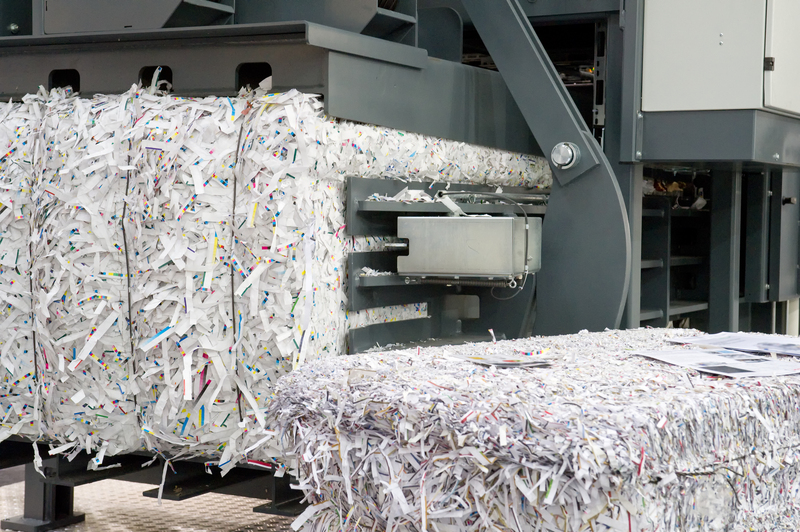
- Balers: For steady volumes, a vertical baler produces dense bales (typically 100-450 kg). Drier, cleaner bales attract better prices and fewer collections.
- Compactors: Useful where space is tight and mixed recyclables are collected. For pure cardboard, a baler is often better value.
Typical bale density ranges from 300-400 kg/m?. Bale size and weight vary by machine; check the mill or recycler's spec. Many buyers prefer moisture content around 8-12% and bales bound with 3-4 steel wires or heavy-duty strapping. Ask before you invest; it's not a guessing game.
5) Arrange collection and documentation
- Select a licensed carrier: Always use carriers with a valid waste carrier registration. Ask for their licence number--no awkwardness, it's standard.
- Schedule to match your volume: Weekly or twice-weekly is common for SMEs; daily for busy DCs. Try to align pickups after peak delivery days.
- Waste Transfer Notes (WTNs): Complete and keep for at least two years. Include EWC code 15 01 01 (paper and cardboard packaging), SIC code, and a clear description (e.g., "Clean, dry cardboard; baled").
6) Consider reuse and repurposing
- Reuse boxes: Keep the sturdy ones for returns, storage, or donations to local groups (schools, charities, moving initiatives).
- Shredded void fill: For shops and e-commerce, shredding offcuts creates free protective packaging. It's oddly satisfying, too.
- Composting: Uncoated, non-glossy cardboard can be composted in strips. Avoid heavy inks, plastics, or food contamination.
7) Monitor, optimise, repeat
Keep simple KPIs: kg of cardboard per week, % of waste segregated, missed collections, and contamination rate (even a quick visual score works). Review monthly. Adjust storage, training, or pickup frequency. A five-minute check-in saves hours later.
Truth be told, the first week can feel a bit faffy. By week three, it runs itself.
Expert Tips
- Design your opening zone: Put a clear flattening area right where goods are unpacked. Knife on a lanyard, tape bin, cardboard cage--done.
- Mind the moisture: Wet cardboard is heavy, smelly, and less valuable. If you must stage outdoors, cover with a waterproof sheet and raise it off the ground.
- Think in bales, not bins: If your site fills more than two 1100L bins of cardboard a week, a small baler may pay for itself within 12-24 months through reduced collections and potential rebates.
- Follow recognised grades: Align with standard grades for recovered paper (e.g., EN 643 categories such as OCC and mixed paper). Agree specs with your buyer--no surprises.
- Weigh occasionally: A basic platform scale or occasional weighbridge ticket helps validate invoices, rebates, and internal reporting.
- Label like a pro: Simple signs with a photo of what goes in/out reduce contamination dramatically. People respond to pictures under pressure.
- Safety first: Keep blades sheathed, stacks stable, and baler training documented. No shortcuts. Your team will thank you.
- Plan peak seasons: Black Friday, Christmas, bank holidays--cardboard volumes spike. Pre-book extra pickups and keep extra strapping on hand.
- Close the loop: Ask suppliers about recycled-content packaging and right-sizing. Less void, fewer boxes, lower costs.
It was raining hard outside that day when a warehouse supervisor in Croydon moved their staging area indoors. The difference in bale quality--and smell--was immediate. A small tweak, big win.
Common Mistakes to Avoid
- Letting food contaminate cardboard: Pizza boxes soaked with oil or boxes with food residue are usually not recyclable. Keep a separate stream for food-contaminated packaging.
- Leaving bundles unflattened: It wastes space, increases collection frequency, and attracts pests. Flatten as you go.
- Overcomplicating signage: Long policy documents pinned above a bin won't be read. Use short, visual cues.
- Relying on one champion: If only one person "knows the system," it collapses when they're off. Train two or three. Cross-cover is your friend.
- Ignoring market signals: Cardboard rebate prices fluctuate. Lock in a fair term but review quarterly; be ready to adjust bale quality or pickup schedule.
- Storing outdoors without cover: Moisture ruins value and can create mould. Keep it dry; mills reject soggy loads.
- Forgetting the paperwork: Missing or incomplete Waste Transfer Notes can lead to fines. Fill them correctly every time.
Yeah, we've all been there--stacking boxes "just for now" and then, three days later, it's a wall. A cardboard wall. Lets not do that again.
Case Study or Real-World Example
Profile: A 300 m? e-commerce shop in East London shipping homewares. Staff: 8. Average daily inbound: 80-100 boxes; outbound: 60-80 orders. The stockroom had become a maze of flattened boxes, mixed plastics, and the occasional rogue coffee cup.
Challenges: Overflowing 1100L mixed recycling, frequent missed pickups, and rising costs. Team frustration was palpable. You could almost hear the crunch of cardboard underfoot.
Actions:
- Introduced a designated unpacking zone within 5 metres of goods-in. Mounted a safety knife holder and a simple bilingual sign: "Flatten boxes here. Remove plastic + foam."
- Switched from mixed recycling to a dedicated cardboard cage and a small 250 kg vertical baler (installed with training).
- Scheduled twice-weekly cardboard bale collection; renegotiated contract with a licensed recycling partner who offered a rebate for clean OCC bales.
- Trained all staff with a 15-minute session; built it into the new starter checklist.
Results (first 12 weeks):
- Cost: Net waste cost reduced by 38% through fewer collections and a modest cardboard rebate.
- Space: Reclaimed ~10 m? of storage area, improving pick efficiency.
- Compliance: Clean WTNs with EWC 15 01 01, fewer contamination issues.
- Staff feedback: "It's calmer." one picker said. "Less tripping, less mess."
Takeaway: Embracing green practices in cardboard disposal doesn't need heroics. Just a clear workflow, a good partner, and care with moisture and contamination.
Tools, Resources & Recommendations
Whether you're running a small cafe or a national network, the following tools and resources will make life simpler.
On-site equipment
- Safety knife + lanyard: For fast, safe flattening. Keep it visible and accessible.
- Heavy-duty gloves: Protects from staples and sharp edges.
- Cardboard cages or stillages: Keep material off damp floors; easy to wheel to collection point.
- Vertical baler: For regular volumes. Look for models producing 100-450 kg bales; confirm bale size, density and wire spec with your buyer.
- Moisture meter: Optional but useful to check load quality if you're chasing better rebates.
- Shredder (void fill): Turn offcuts into protective packaging for dispatch.
Operational tools
- Simple site map: Mark unpacking, flattening, storage and loading points. A laminated A3 map near goods-in works wonders.
- Training sheet: One page: what's in, what's out, how to bale, who to call. Keep it clear.
- Monthly KPI tracker: Log weights, collections, missed pickups, contamination notes, and rebates. A spreadsheet is fine.
Industry resources and frameworks
- WRAP (Waste & Resources Action Programme): Guidance on recycling best practice, packaging, and resource efficiency.
- Recycle Now: Consumer-facing guidance on local recycling rules--handy for staff awareness.
- EN 643: European list of standard grades of paper and board for recycling; helps align quality expectations (e.g., OCC).
- ISO 14001: Environmental management systems--useful framework for larger organisations.
- PAS 100 (composting): Quality specification for composted materials. Relevant if you handle compostable packaging and garden waste streams.
- NPWD (National Packaging Waste Database): For producers obligated under UK packaging regulations.
Pro tip: keep a printed copy of your baler's operating and safety instructions near the machine. When things get busy, nobody has time to hunt for PDFs.
Law, Compliance or Industry Standards (UK-focused if applicable)
UK waste law is practical and, increasingly, firm on segregation. Here's what matters for cardboard.
Waste hierarchy (Defra guidance)
The Waste (England and Wales) Regulations 2011 embed the hierarchy: prevent, prepare for reuse, recycle, recover, and dispose. Cardboard fits naturally into reuse and recycling. Being able to show that you segregate and recycle supports compliance and any ESG claims.
Duty of Care (Section 34, Environmental Protection Act 1990)
- You must take all reasonable steps to store and transport waste safely and ensure it's dealt with properly.
- Use a licensed waste carrier and keep Waste Transfer Notes for at least two years.
- Ensure accurate descriptions on WTNs--e.g., "Paper and cardboard packaging, clean and dry; baled" with EWC code 15 01 01.
Segregation and separate collection
- England: Reforms under "Simpler Recycling" are being rolled out, requiring consistent collections of paper and card separately from residual waste. Timelines vary by council and business type--watch for local notices.
- Wales: Workplace recycling regulations (from 2024) require businesses to separate paper/card, glass, metal, plastic, food waste and more at source.
- Scotland: The Waste (Scotland) Regulations 2012 require businesses to separate key recyclables, including paper and card.
- Northern Ireland: Similar requirements apply to segregate recyclables under local regulations.
Producer Responsibility for Packaging
Under UK Packaging Waste Regulations, obligated producers must recover and recycle a set proportion of packaging and report via the NPWD. The UK is also introducing Extended Producer Responsibility (EPR) for packaging, which shifts more of the cost of managing packaging waste to producers. If you place significant packaging on the market, ensure you understand the thresholds, data reporting, and likely fees.
Standards and specifications
- EN 643: Standard grades help set clear expectations for recovered paper. For cardboard, the commonly traded category is OCC (old corrugated containers).
- Moisture and contamination: Many buyers specify moisture around 8-12% and minimal non-paper content. Always confirm acceptance criteria in writing.
Documentation essentials
- Waste Transfer Notes: Date/time, addresses, carrier's licence number, EWC 15 01 01, SIC code, description of waste, quantity, how it's contained (e.g., "2 bales"). Keep for 2+ years.
- Training records: Baler training, risk assessments, and safe systems of work should be documented.
- Broker agreements: If using a broker, ensure they confirm the ultimate destination is a permitted recycling facility.
Small tip: a neat folder--or a shared drive--labelled "Duty of Care" makes audits quicker and calmer. You'll look organised because you are.
Checklist
- Map where cardboard is generated and stored
- Provide a dedicated, labelled cardboard-only container
- Flatten boxes at source using a safety knife
- Remove plastic film, foam, and heavy contamination
- Keep cardboard dry and off the ground
- Decide on storage: bins, cages, or baler
- Select a licensed carrier; verify their registration
- Complete and retain Waste Transfer Notes with EWC 15 01 01
- Train staff; refresh training quarterly or after changes
- Track weights, collections, and contamination
- Review contracts and rebates every quarter
- Plan for seasonal peaks and extra capacity
Conclusion with CTA
Embracing green practices in cardboard disposal is one of those rare sustainability moves that checks every box: it's practical, visible, and measurably beneficial. From lighter bills to cleaner storerooms to a smaller footprint, the gains add up fast. Start simple--flatten, keep it dry, label the bin--and build from there. In our experience, you'll notice the difference within a fortnight.
Ready to turn that cardboard mountain into a clean, valuable resource stream? Let's make it easy.
Get a free quote today and see how much you can save.
And breathe. You've got this.
FAQ
Can wet or damp cardboard be recycled?
Lightly damp cardboard that's dried before collection is usually acceptable, but soaked cardboard is often rejected by reprocessors due to mould, weight, and quality issues. Keep it dry and covered; if it's badly waterlogged or mouldy, it belongs in residual waste or energy recovery.
Do I need to remove all tape and labels from boxes?
Remove large plastic film and heavy contamination. Most mills can handle minor tape and labels during pulping, but the cleaner your feedstock, the better your rebates and the lower the rejection risk. As a rule: remove what's easy; don't obsess over small bits.
Is greasy pizza box cardboard recyclable?
Heavily oil-stained or food-soiled cardboard usually isn't recyclable. If only the lid is clean, you can tear it off and recycle that part. The greasy base should go into food waste (if your scheme accepts it) or residual waste.
Should I invest in a baler or stick with bins?
If you consistently fill two or more 1100L bins of cardboard a week, a small baler may pay back in 12-24 months through reduced pickups and potential rebates. Check floor space, power supply, bale sizes accepted by your buyer, and training needs before buying.
How often should collections be scheduled?
Match collections to your generation pattern. For most SMEs, weekly or twice-weekly works. High-volume sites may need daily collections. Monitor for a month and adjust--if bins overflow or bales stack up, increase frequency. If you're consistently half-empty, reduce.
What is the EWC code for cardboard?
For paper and cardboard packaging, use EWC code 15 01 01 on your Waste Transfer Notes. Ensure the description clearly states the waste is clean and dry, and whether it's baled.
Can I compost cardboard at home or work?
Yes, uncoated, non-glossy cardboard can be composted in strips or shredded as a carbon-rich "brown" material. Avoid waxed, heavily printed, or plastic-laminated cardboard. Mix with food waste and garden clippings to balance moisture and aeration.
Do coloured or printed boxes recycle the same as brown cardboard?
Most printed corrugated cardboard is recyclable. Heavily laminated, foil-lined, or waxed boards are more problematic. If in doubt, keep questionable materials separate and ask your collector for acceptance criteria.
What about confidential or branded packaging?
For sensitive materials, consider on-site shredding before recycling, or use a secure destruction service that issues a certificate. Always separate plastic liners or inserts first.
How much is cardboard worth? Do rebates really help?
Rebates for OCC (old corrugated containers) fluctuate with market conditions. Across recent years, UK prices have ranged widely (from modest ?40-?120 per tonne, sometimes higher in peaks). Clean, dense bales get the best rates. Use rebates as a bonus, not a guarantee.
Is shredding better than baling?
They serve different aims. Shredding is great for making void fill or reducing volume when baling isn't feasible. Baling is best for creating market-ready loads that attract rebates and reduce collection frequency. Some sites do both: shred offcuts, bale the rest.
What changes are coming with Extended Producer Responsibility (EPR)?
EPR for packaging will shift more costs onto producers who place packaging on the UK market. Expect increased data reporting and fees related to recyclability and volume. If you're obligated, align early on data capture and talk to your compliance scheme.
Do I need special training to use a baler?
Yes. Provide formal training on operation, safety, and lockout procedures. Keep training records, safe systems of work, and the manual accessible. It's both a safety essential and good compliance practice.
Can I mix cardboard with paper recycling?
Many schemes accept paper and card together, but segregating clean cardboard often yields better quality and pricing. Follow your collector's guidance and local council rules--some require paper/card separation.
How do I handle seasonal peaks?
Increase collections temporarily, order extra wire or strapping, and stage a second cage if space allows. Brief staff to keep material dry and clean when volumes spike. Planning ahead saves you from the "cardboard avalanche."
We've got very little space. Any ideas?
Use vertical space with a wall-mounted rack for flattened boxes, opt for a compact baler, and schedule more frequent pickups. Even a small waterproof storage box outdoors can help--just keep materials off the ground and covered.
One last thought: small, steady changes beat grand plans that never happen. Start today--flatten one more box, label one more bin--and build from there. You'll see why.